NASA Competitions
Although my career path is focused on solving physics research problems, I’ve also participated (and led) UIUC NASA Competition teams. As a researcher, a lot of my time is spent buried in deep technical holes, reading extremely technical papers to see if they have applications to my research. I figured that I needed some variety in my life so I didn’t go crazy from constantly reading about the Josephson effect or studying Vorticity Stability Regions.
But why NASA Competitions? Honestly, I have no idea. I had no interest in aerospace engineering and space (don’t come at me please), but I did know that I liked solving hard problems. So, out of curiosity of what NASA competitions were like, I attended an informational session on a new UIUC team competing in the NASA Human Lander Challenge (HuLC) and I thought it was interesting so I joined the team.
How HuLC works
Basically, the NASA Human Lander Challenge, or HuLC, is a collegiate level competition sponsored by NASA’s Human Landing System (HLS). The competition focuses on designing systems-level solutions to challenges faced during the NASA Artemis Missions. Every year, the design challenge is different. For more information about the competition, click here.
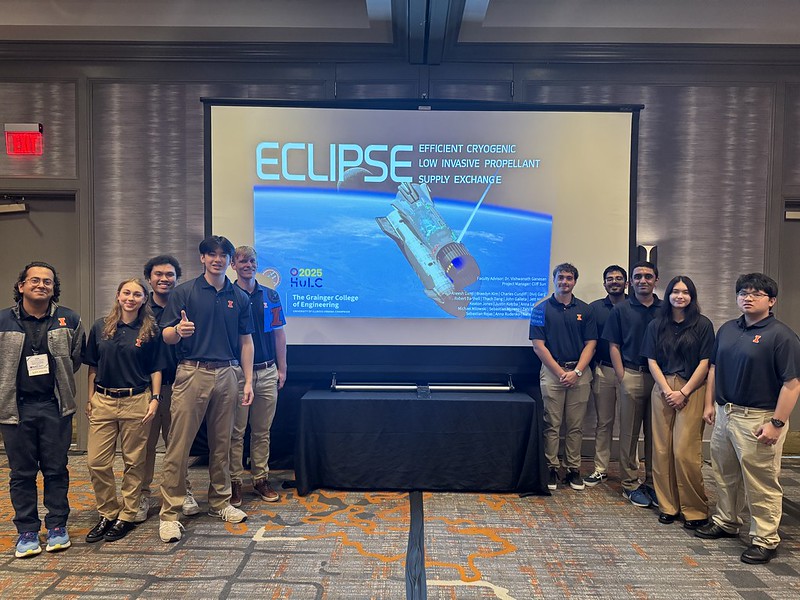
The next 2 years of competing in this competition were some really exciting times with lots of memories. But only after finally “retiring” from competiting was I finally able to grasp how impactful this experience was on me. Let’s first start with my first year.
My First Year
In my first year as a “HuLCer”, the theme of the HuLC competition was set as mitigating something called Plume Surface Interaction. Basically, rocket go down on moon, moon dust go up. Moon dust bad. Therefore, Theme: Reduce moon dust (Plume surface interaction) during landing.
The biggest thing I learned was the intuition of NASA engineering. Specifically, why some ideas were just plain bad. In the first ever HuLC meeting I attended, the project manager at the time (shout out SK) poked fun at a team’s design for adding “jet-skis” at the bottom of the lunar lander so the lander could “glide” down onto the moon.
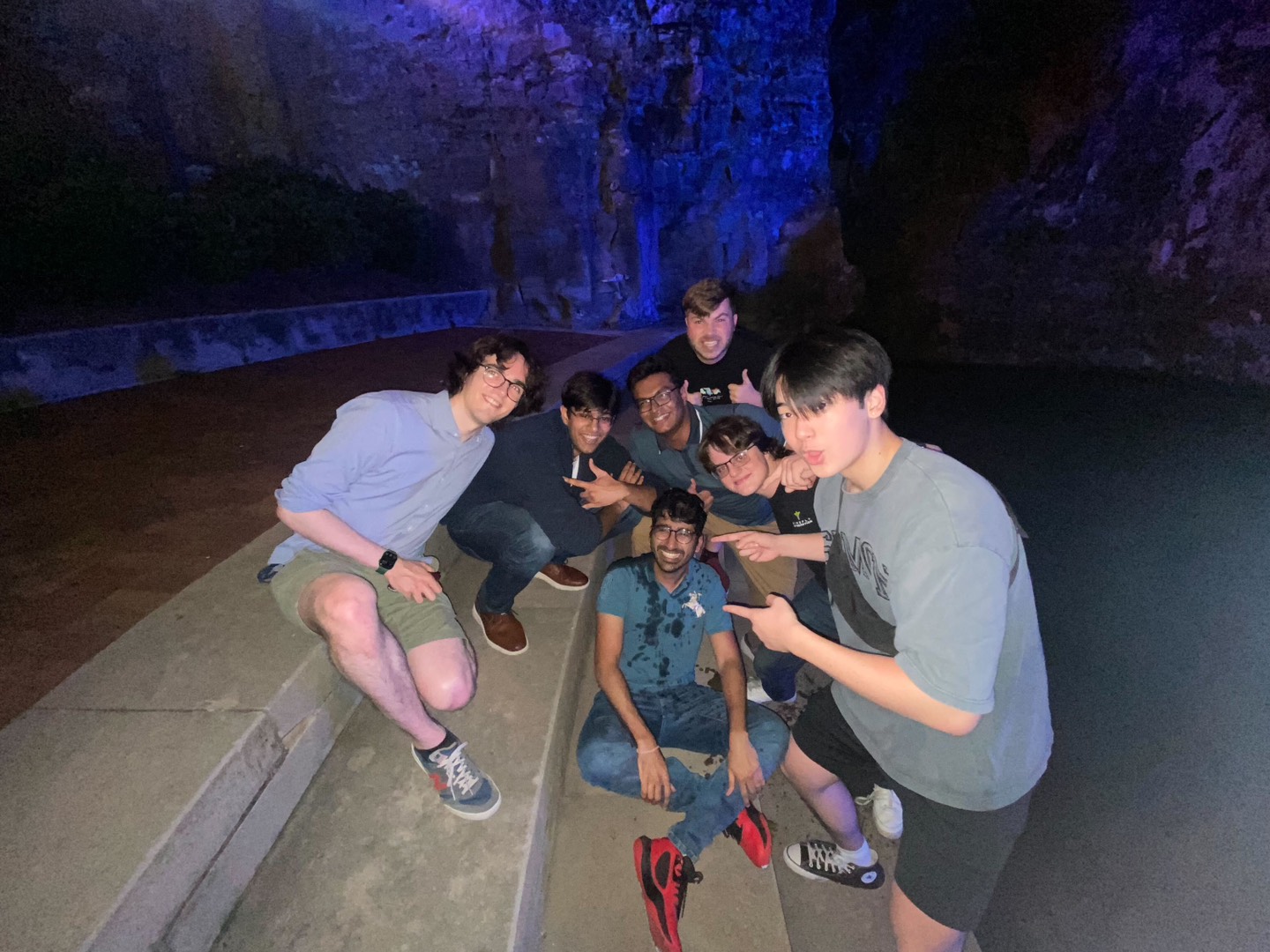
This solution was bad for many reasons, now reflecting, adding skis not only adds unnecessary weight to the lander, but it also fundamentally changes how the Artemis mission architecture would work. At the time of listening to SK roasting this solution, I didn’t identify any of these problems, but as I learned the rules of the NASA game, I was able to pick out these faults easier.
I would also learn a lot of technical work, but the most important thing I learned was how to lead technical work. Being constantly lost in the technical sauce gave me the perspective of how a successful leader works: guide people out of the sauce before they get lost in it! As stupid as it sounds, it’s a surprisingly good leadership trait.
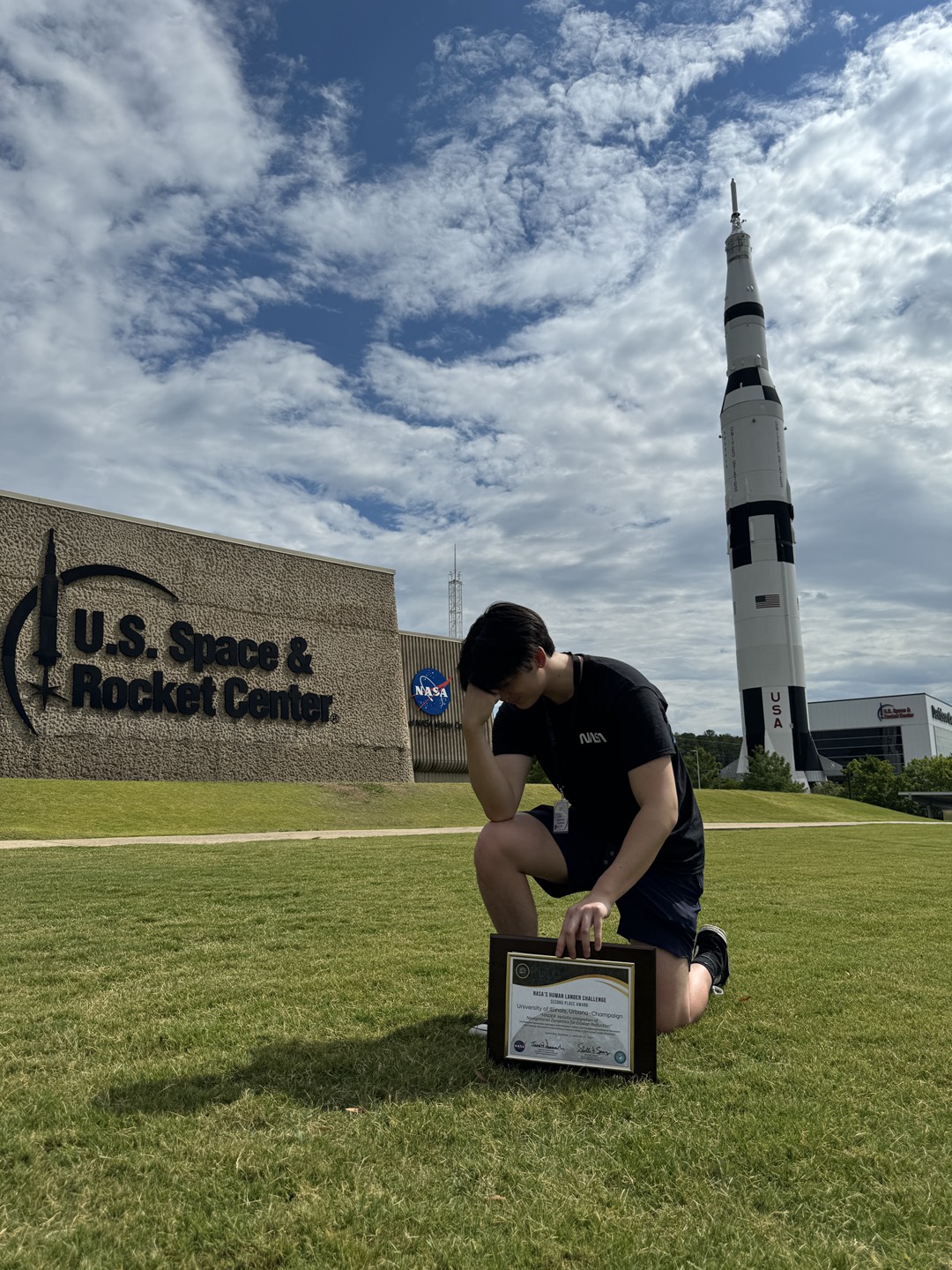
We would end the year off with an invitation to present at NASA Marshall and a second place award in the competition. Both were great experiences, but arguably the most impactful year of HuLC for me came in my second year.
My Second Year
The second year, I was appointed to lead the HuLC team. Well, my club had no choice since I was the only person who applied. Regardless, I carried my experiences from my previous year into my leadership year. This year’s competition theme was “Advanced Cryogenics”, which was not only the most technically challenging field to understand but also the most mission critical problem that Artemis was facing.
I started off the year by appointing three “chief engineers” who were in-charge of leading R&D efforts to figure out what our solution would be. As the project progressed, their roles became better defined and eventually they split up into 2 groups, each consisting of two subteams. One group was called the propellant transfer group, with a fluids lead and a software lead. The second group was called instrumentation, with a hardware lead and a software lead.
My most important thing I wanted to implement in my team was making sure that all my members “owned” a part of the project. In other words, each member has emotional investment in the project. But this mindset would also help me grow as a leader, as I found myself learning how to guide insanely smart people to do amazing things without being micro-managing.
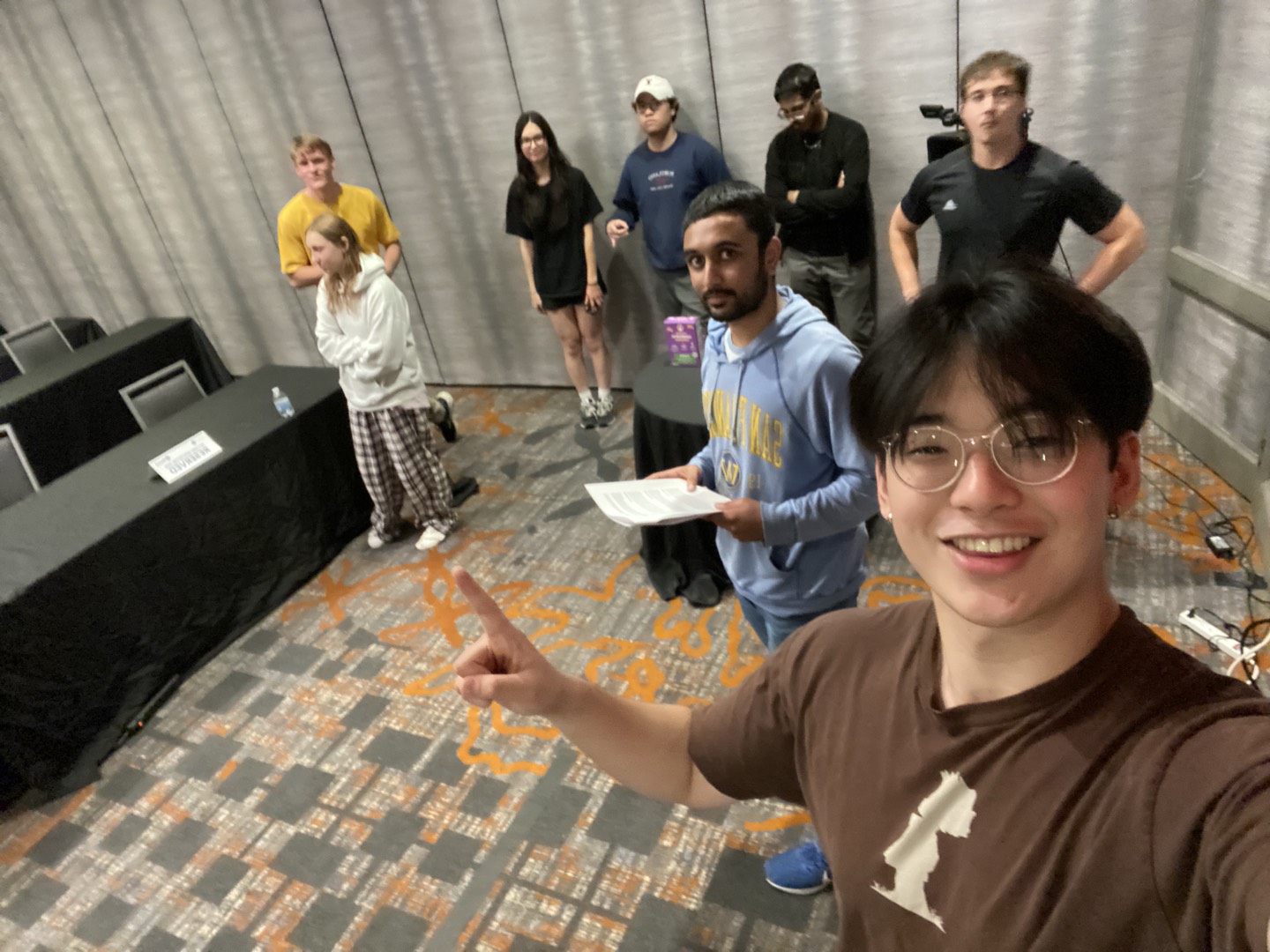
This learning experience, unexpectedly, helped me figure out my career goals since I learned that I loved guiding a R&D team as some sort of “PI”. Now, I feel more confident in my career path which has been better defined just because I joined a NASA competition club just for fun.
In the end, our team was invited to present our work at NASA Marshall, where we won “Best Technical Presentation” with some of our work incorporated into NASA’s research efforts. But the most rewarding experience was seeing my team (and myself) grow as researchers and as leaders. Leading this team has postively impacted my career goals and I’ve made a lot of really great memories. I encourage you to also pursue stuff that sounds cool, because you’ll never know what journey it takes you!